



1. The Trap: The Wayside Inn of Labette County
In the early 1870s, the Bender family John, his wife Elvira, their son John Jr., and daughter Kate settled in a remote part of Labette County, Kansas. They opened a small general store and “inn” for travelers moving west.
- The Strategic Setup: Their cabin was divided into two sections by a heavy canvas curtain. Travelers were seated for dinner with their backs to this curtain a position that proved fatal.
- The “Hammer” Execution: While the victim ate, the “Old Man” or John Jr. would emerge from behind the curtain and strike the guest in the head with a sledgehammer. Kate would then finish the deed by slitting the victim’s throat.
2. The Discovery: The Orchard of Graves
The buzz around the Benders started when a prominent physician, Dr. William York, went missing in 1873. His brother, Colonel Ed York, led a search party to the Bender property.
The Empty Cabin: By the time the search party gained legal authority to search the house, the Benders had vanished. Inside, investigators found a trap door under the dining table leading to a cellar soaked in blood.
The “Garden”: Digging in the family’s young apple orchard revealed the remains of Dr. York and at least ten other bodies. Some victims had been stripped of their valuables, while others seemed to have been killed for the mere “thrill” of the act.
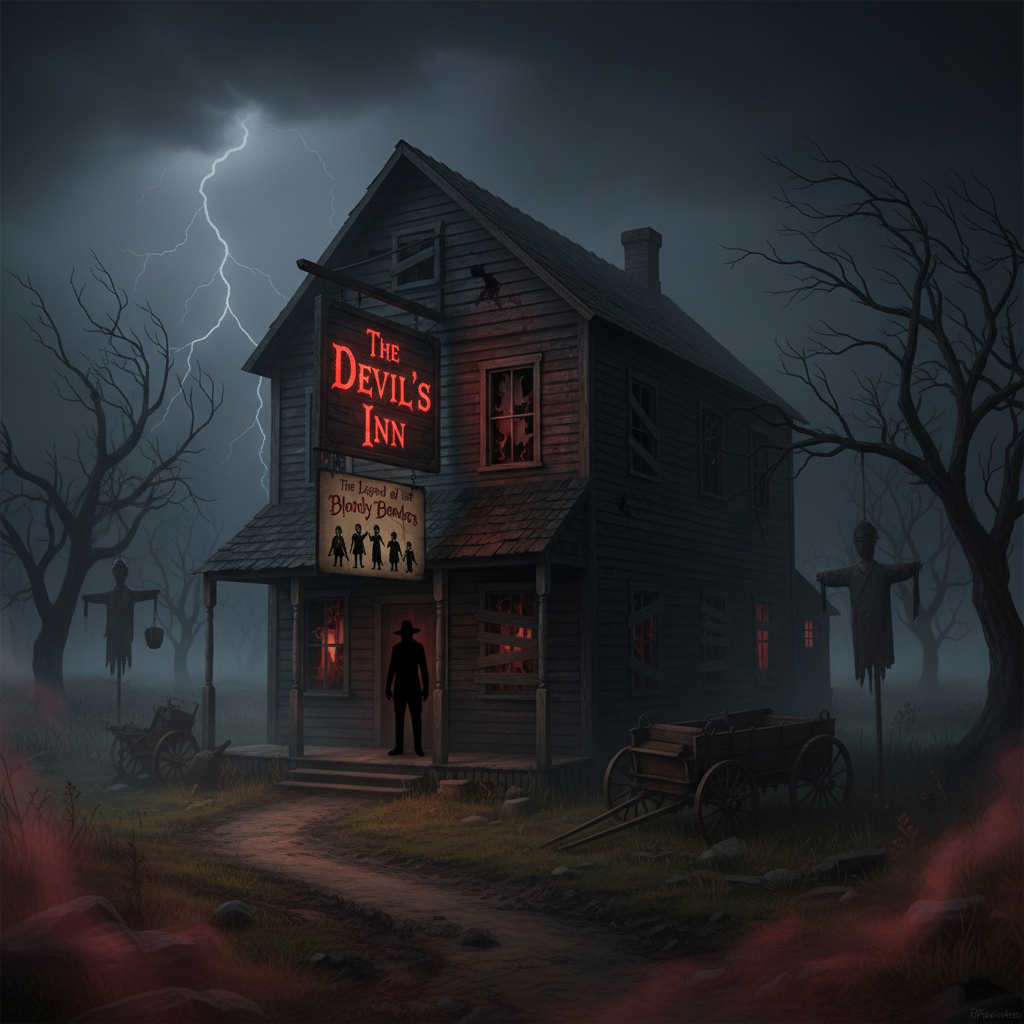

3. Forensic Focus: The “Sensory” Crime Scene
As a researcher, I’ve looked into the specific forensic atmosphere of the Bender cabin, which was far more complex than a simple murder house:
- Tactical Acoustics: The heavy canvas curtain wasn’t just for concealment; it muffled the sounds of the struggle from any other travelers who might be waiting outside or in the yard.
- The Basement Pit: The cellar was designed with a sloped floor to allow blood to drain quickly into the soil, minimizing odors that might alert guests during a meal.
- Post-Mortem Mutilation: Several victims showed signs of injuries that occurred after death, suggesting a ritualistic element to the family’s violence, particularly involving the daughter, Kate, who claimed to be a psychic and a “healer.”
4. The Great Disappearance: A 150-Year Cold Case
The most “buzz-worthy” aspect of this case is the escape. Despite a massive manhunt and a massive bounty, the Benders were never officially caught.
Vigilante Justice? A popular local legend suggests that a group of vigilantes actually caught the Benders, executed them, and swore a blood oath never to speak of it. However, no bodies were ever found, and sightings of “The Benders” were reported across the American West for decades.
The Abandoned Wagon: Their wagon was found twelve miles away, abandoned near the railroad.

Vigilante Justice? A popular local legend suggests that a group of vigilantes actually caught the Benders, executed them, and swore a blood oath never to speak of it. However, no bodies were ever found, and sightings of “The Benders” were reported across the American West for decades.

🔍 Stef Irish’s Forensic Deep Dive
The Escape Logistics: My research into the train schedules of 1873 suggests the Benders likely split up, with the younger pair heading to the lawless territories of New Mexico, while the elders vanished into the immigrant communities of the North.
The Profiling of Kate Bender: Historical records suggest Kate was the “leader” of the group. She used her charm and self-proclaimed spiritualist powers to lure wealthy travelers. This is a rare example in the 1870s of a female-led serial killing team.
The Multi-Generational Dynamic: This case is studied today as a primary example of folie à famille (shared madness within a family). The psychological pressure used by the parents to involve the children in such high-volume killing is a dark masterpiece of criminal manipulation.
The Escape Logistics: My research into the train schedules of 1873 suggests the Benders likely split up, with the younger pair heading to the lawless territories of New Mexico, while the elders vanished into the immigrant communities of the North.
Researcher’s Note
This report was independently researched and written by Stef Irish, founder of True US Crime.
This article is the result of several months of in-depth research, combining historical records, verified timelines, and documented sources to ensure accuracy and clarity.
Particular attention has been given to investigative details, behavioral analysis, and the broader context surrounding the events, with the goal of delivering a clear, structured, and reliable account.
All content is developed with a commitment to factual integrity, professional storytelling, and respect for the individuals and cases explored.
This note applies to all investigative reports published on True US Crime, reflecting a consistent standard of research and editorial quality.


